3rd Grade Batter Up: An Embroidery Design Review
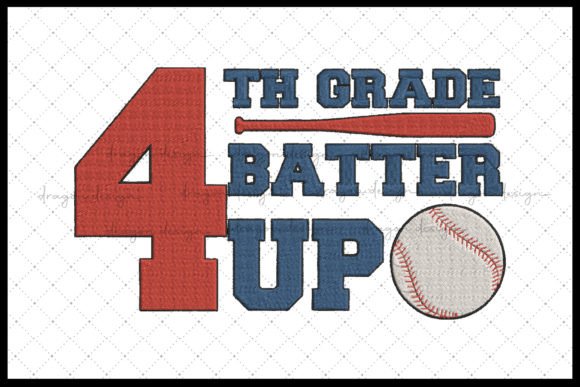
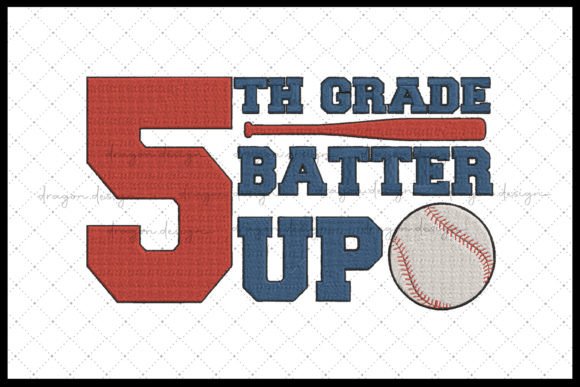
As a professional embroidery designer running a personalized gift shop, I am constantly evaluating new digital assets to ensure they meet the high standards my customers expect. When planning for the upcoming season, specifically for Back To School collections and youth sports themes, I recently tested the 3rd Grade Batter Up machine embroidery design. My goal was to determine if this design could transition smoothly from a digital file to a high-quality, tangible product that justifies a premium price point. After stitching it out and analyzing its performance across different substrates, I have compiled my practical notes for fellow Etsy sellers, crafters, and small business owners considering this addition to their inventory.
First Impressions and Emotional Appeal
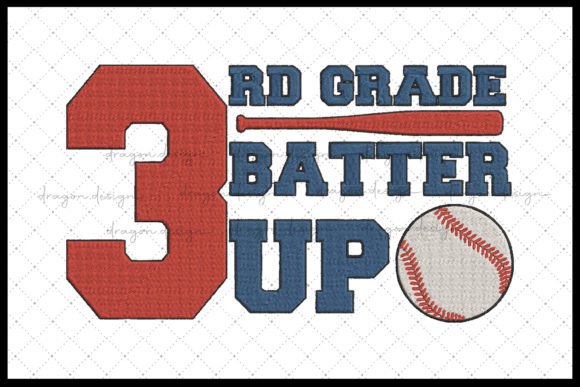
Upon loading the embroidery file into my software, the first thing that struck me about 3rd Grade Batter Up was its distinct sense of nostalgia mixed with youthful energy. It does not feel generic or overly commercial; rather, it possesses a handmade charm that resonates deeply with parents and grandparents. The mood is undeniably playful yet structured enough to look polished on finished goods. For a personalized gift, emotional connection is paramount. This design captures that specific milestone age where children begin to take organized activities seriously, making it an excellent candidate for keepsakes.
The detail level appears balanced for machine embroidery. It avoids the trap of being too intricate for production speed while maintaining enough character to avoid looking like simple clipart. As a designer, I appreciate when a digitizer understands that thread has physical limitations. The aesthetic feels classic enough for traditional items but modern enough for current trends, which is vital for maintaining buyer engagement in a saturated market.
Real-World Application: From Digital File to Finished Product
To truly test the viability of 3rd Grade Batter Up for my shop, I simulated a custom order scenario. A common request involves creating a memorable gift for a child entering third grade or joining a little league team. I envisioned this design on a custom tote bag for carrying equipment and books, as well as a pillow cover for a bedroom update.
For the tote bag application, the design performed exceptionally well. The stitch density provided solid coverage without causing the canvas fabric to pucker, a frequent issue with poorly digitized sports graphics. The result was a sturdy, professional-looking item that felt durable. For the pillow cover, I opted for a softer cotton blend. Here, the design served as a focal point that elevated the entire piece from a basic home decor item to a cherished family keepsake. This versatility is exactly what small shop products need to maximize return on investment. Whether you are creating baby embroidery for a younger sibling theme or a wedding gift for a coach, the adaptability of this design allows for diverse product listings.
I also see significant potential for embroidered towel projects. Kitchen towels or gym towels featuring 3rd Grade Batter Up could serve as excellent fundraising items or teacher appreciation gifts. The design’s layout allows for easy personalization, such as adding a name or year below the graphic, which significantly increases perceived value and customer trust.
Navigating Fabric Challenges and Technical Limitations
While the design is versatile, experienced makers know that no single embroidery file works perfectly on every surface. During my testing, I identified specific areas where caution is required. If you plan to use this on thick terry cloth towels, you must adjust your approach. The texture of the fabric can obscure finer details, so using a water-soluble topping is non-negotiable to keep the stitches crisp and visible.
Stretchy fabrics present another challenge. If applying 3rd Grade Batter Up to knit shirts or stretchy baby clothes, standard stabilizer may not suffice. I recommend using a cut-away stabilizer to prevent distortion during washing. Without proper support, the design may warp, leading to customer dissatisfaction. Additionally, be mindful of dark fabrics. Depending on the thread colors included in the file, you may need to add an underlay or adjust contrast to ensure the design pops against navy or black backgrounds. Always compare light and dark fabric mockups before listing a product to avoid visibility issues.
Small lettering is another consideration. If the design includes text elements near the minimum readable size, verify them after stitching. What looks clear on screen can become illegible once rendered in thread. For products requiring frequent washing, such as aprons or blankets, ensure the stitch density is sufficient to withstand wear without fraying. If the design feels too light, consider increasing density slightly in your editing software for these heavy-use items.
Elevating Perceived Value and Shop Credibility
In the competitive world of custom embroidery and digital product sales, presentation is everything. Using 3rd Grade Batter Up effectively can enhance your shop's reputation for quality. High-quality stitching signals to buyers that you care about the details. When customers receive a blanket embroidery project or a custom apron where the registration is perfect and the tension is balanced, they are more likely to leave positive reviews and return for future purchases.
Product photography plays a massive role here. Do not rely solely on digital previews. Stitch out a sample of 3rd Grade Batter Up on your intended substrate and photograph it in natural light. Show the texture of the threads and the drape of the fabric. This transparency builds trust. For Etsy sellers, including a photo of the back of the embroidery can further demonstrate professionalism, proving that you manage jump stitches and bobbin tension correctly. This level of detail distinguishes a handmade product from mass-produced alternatives.
Essential Practical Notes for Makers
Before adding this design to your commercial embroidery lineup or personal project list, please adhere to these best practices to ensure success:
- Test on Scrap Fabric: Never stitch a new design directly onto a final product. Always run a test on similar scrap material to check tension and alignment.
- Verify Hoop Size: Confirm the dimensions of 3rd Grade Batter Up against your available hoops. Ensure there is adequate clearance for your machine’s foot.
- Check Thread Colors: Review the color chart provided with the embroidery file. Compare it to your physical thread inventory to ensure accurate color matching or intentional substitution.
- Stabilizer Selection: Match your stabilizer weight to the fabric texture. Lightweight knits require different support than heavy denim or canvas.
- Licensing Compliance: Crucially, review the license terms included with the digital embroidery file. Confirm whether you have permission to sell finished products or if the license is restricted to personal use. Respecting intellectual property is essential for long-term business integrity.
- Mockup Accuracy: If using printable mockups for listings, ensure they accurately represent the stitch style. Misleading images lead to returns.
Final Thoughts for Business Growth
Integrating 3rd Grade Batter Up into your product line offers a wonderful opportunity to connect with customers celebrating youth milestones. Its balance of charm and technical execution makes it a strong contender for Back To School seasons and beyond. By approaching this design with a critical eye toward fabric compatibility, stabilizer choices, and ethical licensing, you protect your brand’s reputation while delivering beautiful, meaningful items. Whether you are a seasoned wedding gift designer expanding into youth markets or a new crafter building an Etsy presence, thoughtful application of this machine embroidery design can yield rewarding results for both your business and your customers.