Flower Daisy Font R: A Designer Review for Business Merch
As an embroidery designer who specializes in commercial branding and small business merchandise, I approach every new machine embroidery design with a critical eye. When evaluating the Flower Daisy Font R for professional use, my primary concern is not just aesthetic appeal, but production viability. For small business owners, Etsy sellers, and apparel decorators, a font must perform consistently across various substrates while maintaining legibility and brand integrity. This review analyzes Flower Daisy Font R specifically through the lens of commercial application, assessing its suitability for branded patches, staff uniforms, and retail merchandise.
Visual Personality and Brand Alignment
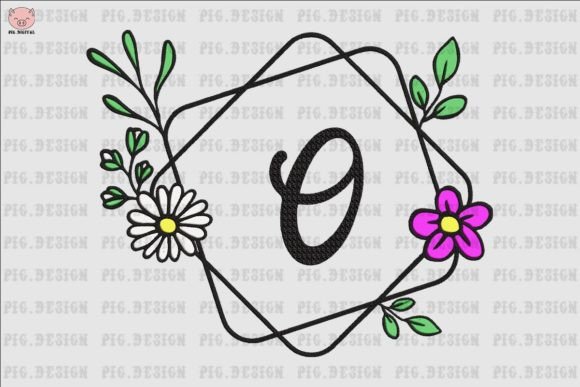
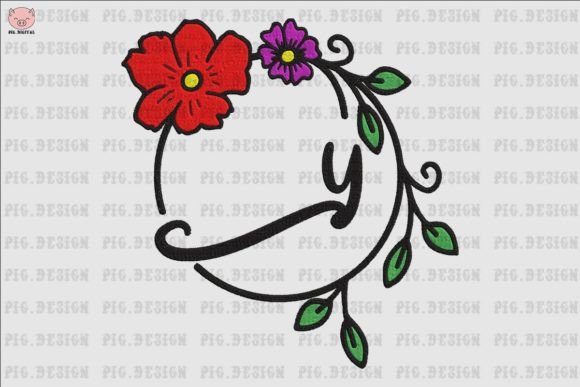
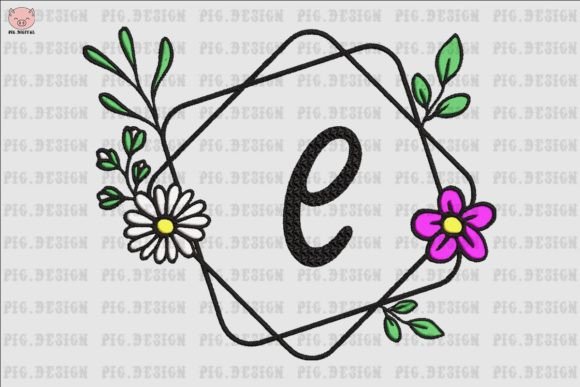
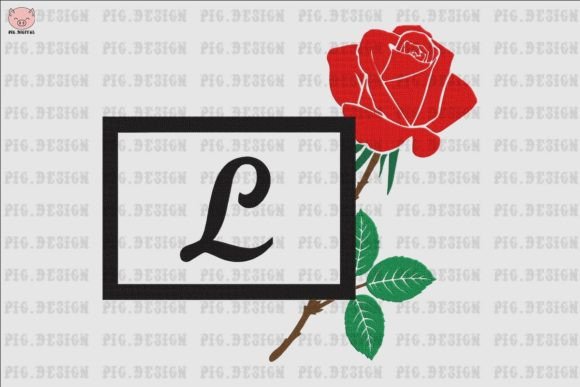
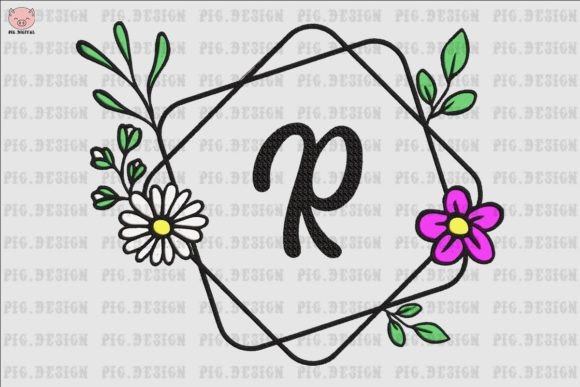
The first impression of Flower Daisy Font R suggests a balance between playful charm and structured readability. In the context of brand identity, this typeface leans towards a friendly, artisanal aesthetic. It avoids the rigidity of standard block letters while steering clear of overly ornate script that can become illegible when stitched. For businesses such as local bakeries, florists, pet brands, or creative studios, this visual tone communicates approachability and warmth.
However, for a handmade product line or a boutique seeking a premium feel, the floral elements integrated into the letterforms add a layer of perceived value. Unlike generic digital fonts, the decorative nature of Flower Daisy Font R implies customization and care. When used for Back To School merchandise or seasonal collections, it strikes a nostalgic yet modern note that resonates with customers looking for unique, personalized items rather than mass-produced goods. The key for business owners is ensuring this personality aligns with their target demographic; it is ideal for lifestyle brands but may be too informal for corporate law firms or industrial suppliers.
Performance in Commercial Embroidery Applications
In real-world production scenarios, Flower Daisy Font R demonstrates versatility, though it requires strategic placement. I have evaluated its potential across several common small business merch categories:
- Embroidered Patches: This font works exceptionally well for medium-to-large patches. The floral details provide enough surface area for satin stitches to anchor properly. However, for patches under 3 inches, the intricate flower elements may merge, requiring simplification.
- Apron Embroidery: For cafes and makerspaces, this font offers excellent visibility on canvas or denim aprons. The weight of the lettering stands up well to the heavy fabric texture, preventing the design from getting lost in the weave.
- Tote Bag Design: Canvas totes are a staple for retail branding. Flower Daisy Font R provides a substantial stitch-out that feels high-quality rather than flimsy. It serves as an effective primary logo or a complementary accent to a graphic icon.
- Custom Apparel: On t-shirts and sweatshirts, the design adds a soft, decorative touch. It is particularly effective for left-chest placements or sleeve details where a softer vibe is preferred over bold athletic lettering.
For commercial embroidery shops fulfilling bulk orders, consistency is paramount. This font’s structure allows for predictable hooping and alignment, reducing setup time between garments. When creating design assets for a client, having a reliable decorative alphabet streamlines the mockup-to-production workflow.
Critical Production Considerations and Limitations
While Flower Daisy Font R is versatile, professional embroiderers must recognize its limitations to avoid production failures. Not every application is suitable for this specific style.
Cap Embroidery Challenges
Cap embroidery presents unique difficulties due to the curved surface and limited vertical space. Unless Flower Daisy Font R has been specifically digitized with cap compensation (flattened bottoms and adjusted pull compensation), it may distort on structured caps. Always test on a scrap cap before running a full production batch. If the floral accents extend significantly above or below the baseline, they may push against the cap seam or bill, causing registration issues.
Small Text and High Density
Avoid using this font for tiny lettering or secondary text. The decorative serifs and floral integrations increase the stitch density. When scaled down excessively, these details turn into thread blobs, rendering the text unreadable and creating a stiff, bulletproof patch of thread that can damage delicate fabrics. For small tags or collar labels, opt for a simpler sans-serif and reserve Flower Daisy Font R for primary branding elements.
Fabric Compatibility and Washing
Consider the end-use of the finished product. Items requiring frequent, harsh washing (like restaurant uniforms) demand robust stabilization. The open spaces and decorative elements in this font can gap if the stabilizer is insufficient or if the fabric stretches during wear. For performance wear or stretchy knits, verify that the digitizing includes adequate underlay to prevent distortion.
Impact on Customer Perception and Value
The choice of typography in embroidery directly influences how customers perceive a brand. Using a specialized digital embroidery file like Flower Daisy Font R signals that a business has invested in distinct visual assets rather than relying on default machine fonts. This distinction builds trust. Customers associate detailed, well-executed typography with higher product quality and attention to detail.
For Etsy sellers and independent creators, this font enhances the "maker" aesthetic. It bridges the gap between professional polish and handmade authenticity. When featured on a printable mockup for online listings, the textured appearance of the daisy-integrated letters photographs beautifully, increasing click-through rates and buyer engagement. In a saturated market, these subtle design choices differentiate a brand and justify premium pricing.
Professional Designer Notes for Implementation
Before adding Flower Daisy Font R to your production lineup, adhere to these professional best practices to ensure success:
- Verify File Specifications: The product description notes that this embroidery file comes with multiple formats, but you must confirm compatibility with your specific machine. Check the included hoop sizes and ensure they match your equipment capabilities before purchasing.
- Test Stitch-Outs Are Mandatory: Never run a customer order without testing first. Stitch the design in black thread on white fabric to evaluate contrast and clarity. Then, test on the actual garment material using the intended thread colors.
- Stabilizer Selection: Match your stabilizer to the fabric weight. For tote bags and aprons, a medium-weight cutaway or tear-away is usually sufficient. For stretchy apparel, use a no-show mesh cutaway to maintain the shape of the floral details without adding bulk.
- Check Licensing: While this review focuses on technical application, always confirm the commercial licensing terms included with your purchase. Ensure you are permitted to use the font for selling physical embroidered goods versus selling the digital files themselves.
- Create Accurate Mockups: Use a realistic printable mockup to get client approval. Because this font has unique character widths and decorative elements, standard text-based mockups may not accurately represent the final stitch-out. Showing a photo of a test sew-out is often the safest way to manage client expectations regarding size and detail.
- Evaluate Spacing and Kerning: Decorative fonts often require manual kerning adjustments. After typing out your brand name or phrase, inspect the spacing between letters. The floral elements may create uneven visual gaps that need correction to ensure the word reads as a cohesive unit.
Flower Daisy Font R represents a valuable asset for businesses seeking to soften their brand image without sacrificing professionalism. By understanding its technical requirements and ideal applications, embroiderers can leverage this design to create merchandise that feels both custom-crafted and commercially viable. Whether for a boutique label, a café uniform, or a special event keepsake, treating this font with professional respect during the digitizing and production phases will yield results that delight clients and strengthen brand recognition.