Flower Rose Font T: A Designer’s Craft Fair Review
As an embroidery designer preparing for a busy weekend craft fair, my selection process is rigorous. I cannot afford to hoop designs that look beautiful on a screen but fail to translate into sales at a booth. When evaluating the Flower Rose Font T, I am looking at it through the lens of production efficiency, visual impact from three feet away, and perceived value. This machine embroidery design positions itself as a versatile decorative element, but its true worth lies in how effectively it can be monetized across various handmade products. For Etsy sellers, boutique makers, and creative entrepreneurs, understanding the practical application of this floral typography is essential before committing to batch production.
First Impressions: Romantic Versatility Meets Market Appeal
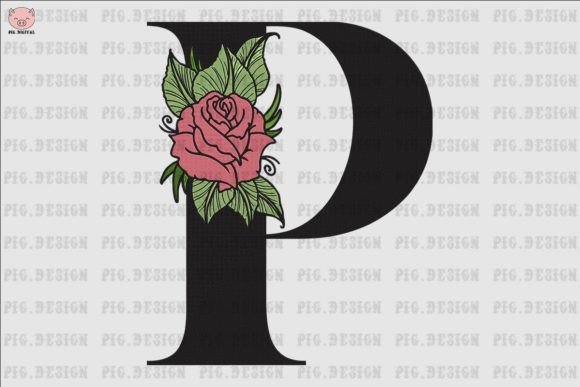
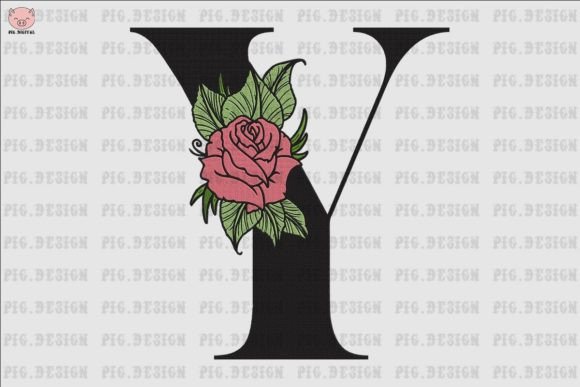
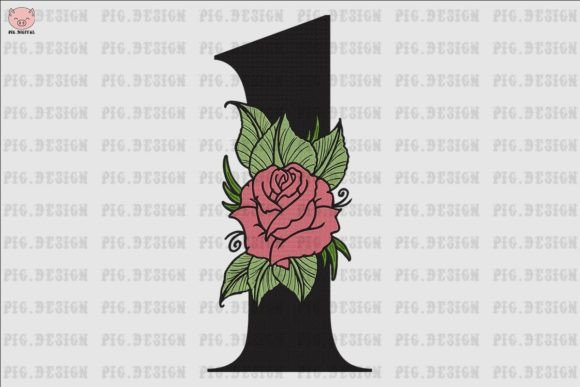
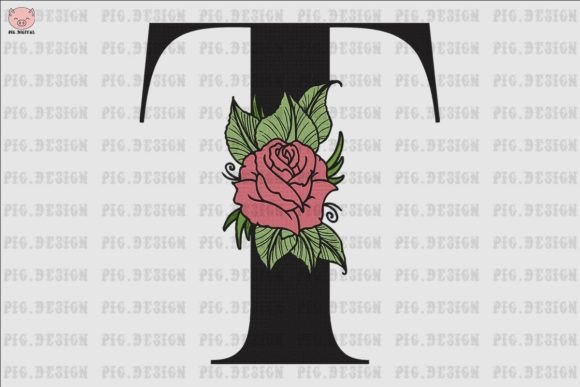
My immediate assessment of Flower Rose Font T is that it strikes a balance between vintage romance and modern readability. In the context of a craft fair table display, customers are often scanning quickly. They need to understand what a product is within seconds. This design offers a distinct aesthetic that feels soft yet structured. It does not scream "Back To School" in a juvenile sense; rather, it evokes a mature, botanical elegance that appeals to teachers, students, and parents alike who appreciate refined stationery or apparel.
The floral integration into the letterforms suggests a premium feel without requiring excessive stitch counts, which is crucial for keeping production costs low. As a digital embroidery file, it appears optimized for visibility. The rose elements provide enough texture to catch the light under booth lighting, while the font structure ensures legibility. For a handmade product lineup, this design signals quality. It avoids the cluttered look of overly complex digitizing, making it an excellent candidate for items where clarity is paramount, such as personalized gifts or branded merchandise.
Top Performing Products for Booth Sales
Not every embroidery file works on every substrate. Based on the characteristics of Flower Rose Font T, I have identified specific products where this design will likely generate the highest return on investment for small shop owners and commercial embroidery businesses.
- Tote Bag Design: Canvas totes are a craft fair staple. The natural texture of canvas pairs beautifully with floral typography. Flower Rose Font T serves as an ideal centerpiece for market bags. Because tote bags offer a flat, stable hooping surface, you can achieve crisp registration. This is a high-margin item where the design adds significant perceived value.
- Apron Embroidery: For the culinary or gardening niche, this font adds a touch of femininity to utilitarian garments. Aprons are large enough to showcase the design at a size that highlights the intricate rose details without becoming dense or stiff. This makes for an excellent giftable handmade item.
- Tea Towel Embroidery: Kitchen linens sell consistently. However, terry cloth and linen textures can swallow fine details. Flower Rose Font T appears robust enough to handle fabric texture, provided the correct stabilizer is used. Personalized tea towels featuring names in this font are perfect for wedding registries or housewarming gifts sold at markets.
- Fabric Pouches and Pillow Covers: Smaller home decor items allow for higher price points due to their finished nature. Using this design on zipper pouches or throw pillows transforms a simple textile into a bespoke piece. These items photograph exceptionally well for printable mockups and online listings.
Production Practicality and Batch Efficiency
For those running a business, time is money. A design might be pretty, but if it takes forty minutes to stitch out or requires constant thread changes, it kills profit margins. Flower Rose Font T seems designed with the embroiderer in mind. The flow of the floral elements likely allows for fewer trims and jumps compared to scattered appliqué styles. This efficiency is vital when producing inventory for a weekend show.
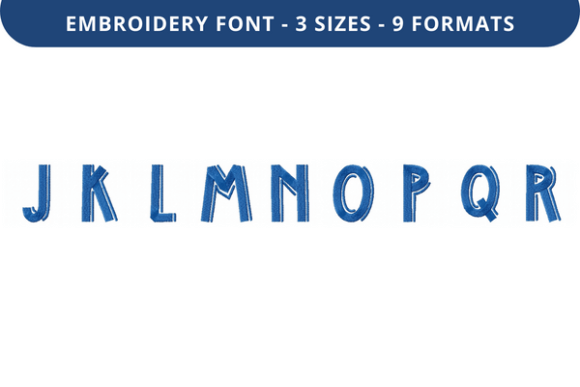
From a sales perspective, the design is highly repeatable. You can create a cohesive collection using the same thread colors across different products. Imagine a booth display where the embroidered patch on a cap matches the monogram on a tote bag and the accent on a pencil case. This brand consistency encourages customers to buy multiple items. Furthermore, because the design comes with multiple options (as implied by the product description), you can offer personalization without needing to purchase separate files for every variation. This flexibility is a massive asset for Etsy sellers fulfilling custom orders.
Critical Use Notes: Avoiding Production Pitfalls
Even the best digitized flower rose font T embroidery requires careful handling. As a professional, I must highlight areas where caution is necessary to ensure your finished product meets customer expectations.
- Stitch Density on Dark Fabrics: Floral fonts often rely on shading or satin stitches to define the petals. On dark fabrics, ensure your underlay is sufficient. Without proper coverage, the fabric grain may show through, making the design look cheap. Always test on scrap fabric first.
- Small Lettering Clarity: While this design looks lovely large, scaling it down for small patches or baby clothes requires scrutiny. Tiny details in the roses may become muddy if reduced below a certain threshold. Check the minimum recommended size in your embroidery software before committing to small-scale production.
- Curved Surfaces: If applying this to caps, remember that curved surfaces distort horizontal lines. The floral connections in the font may need adjustment or specialized cap stabilizer to prevent puckering. Flat-brim hats or structured caps generally yield better results than unstructured ones for this style.
- Textured Towels: When working with high-pile terry cloth for tea towel embroidery, always use a water-soluble topping. This prevents the rose details from sinking into the loops of the towel, ensuring the design remains visible and tactile.
Designer’s Checklist Before Selling
Before listing any craft fair product or digital download featuring this design, run through this professional checklist. Skipping these steps is the difference between a hobbyist and a sustainable business.
- Verify Commercial Licensing: The product description mentions it is a machine embroidery design for projects, but you must confirm the specific license terms regarding selling finished physical products versus selling the digital embroidery file itself. Never assume; always read the included documentation.
- Test Stitch Out: Do not rely solely on screen visualization. Hoop the exact fabric you intend to sell. Inspect the stitch density, thread tension, and registration. Adjust pull compensation if gaps appear between the floral elements and the letter stems.
- Create Real Mockups: While printable mockups are useful for Etsy listings, nothing sells like a photo of the actual finished product. Photograph the embroidered item in natural light. Show close-ups of the stitch quality to build trust with buyers.
- Confirm Hoop Size Compatibility: Ensure the design fits comfortably within your machine’s maximum embroidery area with adequate margin for the hoop frame. Trying to squeeze a design into the absolute limit of your hoop size often leads to alignment errors.
- Evaluate Thread Contrast: Test different thread colors against your base fabrics. A white rose font on cream fabric may look elegant in person but disappear in photos. High contrast usually sells better at crowded markets.
Final Verdict for Creative Entrepreneurs
Flower Rose Font T represents a strong addition to a commercial embroidery library. Its blend of botanical charm and typographic function makes it suitable for a wide demographic, bridging the gap between seasonal Back To School trends and evergreen home decor. For the craft fair seller, it offers the versatility needed to fill a table with diverse, cohesive products. For the digital seller, it provides attractive design assets that appeal to other makers.
Ultimately, the success of this design depends on your execution. By respecting the technical requirements of stitch density and fabric choice, and by leveraging its romantic aesthetic in your marketing, you can turn this single embroidery file into a profitable line of handmade goods. Whether you are stitching out tote bags for a Saturday market or updating your Etsy shop with fresh spring collections, this design has the potential to be a reliable workhorse in your creative business.