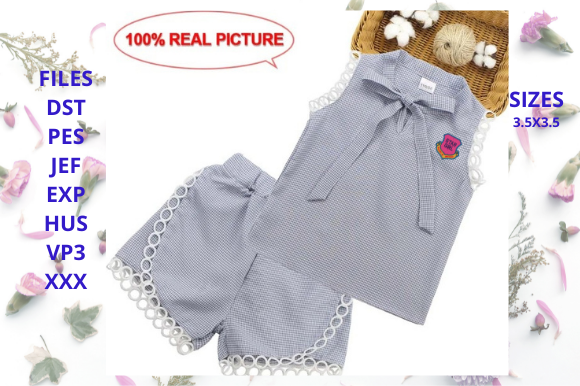
Kid Patch Star Girl: A Merchandise Design Review
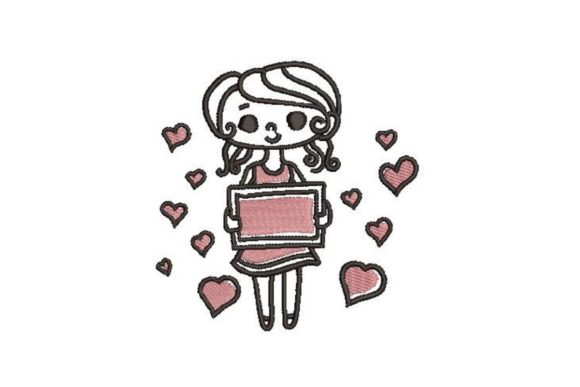
As a professional embroidery designer specializing in commercial applications, I approach every machine embroidery design with a critical eye toward production viability and brand alignment. When evaluating the Kid Patch Star Girl for small business merchandise, my focus shifts from simple aesthetics to functional durability and marketability. While the product description highlights its appeal for children’s outfits and backpacks, this design holds significant untapped potential for creative studios, boutiques, and handmade brands looking to inject personality into their brand identity. This review analyzes how this specific embroidery file performs when adapted for professional use, moving beyond the nursery to serve as a versatile asset for apparel decorators and Etsy sellers.
Visual Personality and First Impressions
Upon opening the digital embroidery file, the immediate impression of Kid Patch Star Girl is one of approachable professionalism. It strikes a balance between playful and polished, avoiding the overly juvenile look that can sometimes alienate adult customers in a boutique setting. The design feels friendly and bold, yet retains enough structural integrity to read as a deliberate branding element rather than accidental decoration. For a florist, bakery, or pet brand, this aesthetic communicates warmth and creativity without sacrificing legibility. The star motif serves as an excellent visual anchor, allowing for easy integration alongside existing logos or text. In the context of Back To School merchandise, it taps into nostalgia while remaining modern enough for current trends, making it a safe yet distinctive choice for seasonal collections.
Commercial Applications for Small Business Merch
The true value of Kid Patch Star Girl lies in its adaptability across various small business merch categories. As an embroidered patch, it excels. The design’s likely compact footprint makes it ideal for creating standalone patches that customers can collect or apply to their own gear. For a creative studio or maker space, these patches function as low-cost, high-perceived-value loyalty rewards or welcome gifts. When applied directly to garments, the design works beautifully as a sleeve detail on staff uniforms or a chest accent on custom apparel. Unlike large back prints that increase stitch time and cost, this smaller format allows for higher margins on branded tees and hoodies.
For hospitality businesses like cafés and bakeries, apron embroidery requires designs that withstand industrial laundering while maintaining a welcoming vibe. Kid Patch Star Girl offers a unique alternative to generic coffee cup icons, adding a layer of artisanal charm that reinforces a handmade product ethos. Similarly, as a tote bag design, it provides a focal point that breaks up negative space effectively. I have found that designs with this level of character perform exceptionally well on natural canvas fabrics, where the texture enhances the rustic, handmade feel. For cap embroidery, the central star element can be isolated or used in full, depending on the curvature of the hat front, offering flexibility for event merch and promotional giveaways.
Production Considerations and Technical Limitations
Despite its versatility, Kid Patch Star Girl requires careful technical evaluation before mass production. Not all surfaces are created equal, and what works on a cotton t-shirt may fail on a structured cap or textured towel. When planning cap embroidery, verify that the design height does not exceed the safe stitching area of your specific cap frame; curved surfaces distort registration, and intricate details in this design could become muddy if pushed too close to the brim seam. Similarly, when working with high-pile fabrics or dark uniforms, you must account for push-and-pull compensation. If the design features fine outlines or tiny lettering, these elements may disappear into the fabric texture unless properly underlaid or enlarged.
Stitch density is another critical factor. If the original digitizing was optimized for lightweight knits, applying it to heavy denim or canvas without adjustment could result in needle breaks or fabric puckering. Conversely, if the density is too high for delicate performance wear, it may cause tearing. Always inspect the thread colors against your intended substrate; high contrast is essential for visibility on dark merchandise, while tonal palettes work better for premium, subtle branding. Before committing to a production run, confirm the hoop size requirements. Using the smallest possible hoop reduces flagging and improves registration accuracy, which is vital for maintaining the crisp edges expected in professional commercial embroidery.
Impact on Brand Value and Customer Engagement
Incorporating Kid Patch Star Girl into your product line affects more than just aesthetics; it influences customer perception and trust. A cohesive visual language across your design assets signals professionalism. When this design is used consistently—from packaging accents to staff wear—it builds recognition. For Etsy sellers and independent makers, using a distinct, licensed design differentiates your shop from competitors using generic clip art. It suggests a curated, thoughtful approach to product development. Furthermore, the playful nature of the design lowers the barrier to engagement; customers are more likely to photograph and share merchandise that evokes emotion, providing free organic marketing. However, this only holds true if the finished product quality matches the digital promise. Poor execution undermines the brand equity the design seeks to build.
Essential Designer Notes for Successful Implementation
To ensure Kid Patch Star Girl translates successfully from screen to fabric, follow this professional checklist before beginning any commercial project:
- Test in Black and White: Run a grayscale test sew first to evaluate density and coverage without the distraction of color. This reveals structural weaknesses in the digitizing.
- Verify Scale Integrity: Check if the design maintains clarity at your target patch size. Reduce it incrementally to find the minimum viable dimension before details are lost.
- Analyze Thread Contrast: Ensure thread colors provide sufficient contrast against all intended garment colors. What looks good on white may vanish on navy.
- Inspect Spacing and Kerning: If the design includes text, verify spacing remains open after resizing. Tight kerning causes thread buildup and illegibility.
- Confirm Hoop Compatibility: Match the design dimensions to your available hoops. Avoid using excessively large hoops for small designs to maintain tension stability.
- Test on Real Fabric: Never assume a design will work based on a simulation. Sew out on the exact fabric texture and weight you intend to sell.
- Select Proper Stabilizer: Use cut-away for stretchy knits and tear-away for stable wovens. The wrong stabilizer choice is the most common cause of production failure.
- Create a Printable Mockup: Generate a realistic mockup for client approval or listing photos. This manages expectations regarding size and placement before stitching begins.
- Audit Commercial Licensing: Crucially, review the license terms included with the embroidery file. Confirm you have the right to use the design on items for sale, not just personal projects.
By treating Kid Patch Star Girl as a professional production asset rather than a casual craft pattern, small business owners can unlock its full commercial potential. Whether used for apron embroidery in a bustling café or as a signature mark on handmade goods, success depends on respecting the technical realities of machine embroidery. Always validate your settings, understand your materials, and prioritize consistency. When executed correctly, this design becomes more than a cute accent; it becomes a reliable component of a profitable, recognizable brand strategy.