Computer Mouse Pad: An Embroidery Design Review
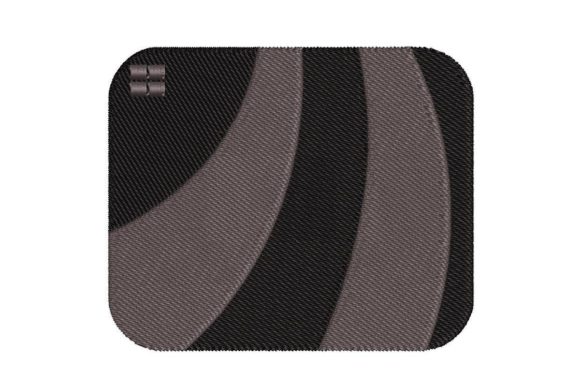
As an experienced embroidery designer constantly scouting for reliable designs for my personalized gift shop, I approach every new machine embroidery design with a critical yet hopeful eye. When planning inventory for the upcoming season, specifically within the Back To School category, versatility is paramount. Customers are looking for items that transition seamlessly from functional school supplies to cherished keepsakes. Today, I am reviewing the "Computer Mouse Pad" design to determine if it meets the rigorous standards required for commercial embroidery and high-end personalized gifts.
First Impressions and Emotional Appeal
Upon loading the embroidery file into my software, the first thing that strikes me is the design’s inherent charm. Despite the utilitarian name suggesting office supplies, the aesthetic leans heavily into "cute" and "collectible." This duality is exactly what sells in today's handmade market. The mood feels playful yet polished, striking a balance between modern digital art and traditional needlework warmth. It does not feel sterile or overly technical; rather, it possesses a sweet, handcrafted quality that appeals to buyers seeking emotional connection over mere utility.
For an Etsy seller or small business owner, this emotional resonance is currency. The design appears detailed enough to showcase professional digitizing skills but retains a softness that makes it appropriate for younger demographics. Whether intended for a student's desk setup or a nostalgic adult collector, the visual weight of the design suggests it will stitch out with clarity and character. It feels like a design that invites customization, making it a strong candidate for a personalized gift lineup.
Versatility Across Product Categories
While categorized under Back To School, my testing reveals this design has far broader applications. A successful custom embroidery business relies on maximizing the ROI of each digital asset. Here is how I envision integrating this design across various product lines:
- Baby Embroidery and Nursery Decor: The cute factor translates beautifully to nursery items. I can see this working exceptionally well on a crib sheet border or as a centerpiece on a receiving blanket. For baby products, the design adds a whimsical touch without being overly infantile, allowing the item to grow with the child.
- Kitchen and Home Textiles: Surprisingly, this motif adapts well to domestic goods. On an apron or tea towel, it offers a retro-modern vibe. For an embroidered towel, placement is key; stitching it on the flat hem area rather than the terry loop ensures the details remain crisp.
- Wedding Gifts and Keepsakes: For a tech-savvy couple or a student bride, this could serve as a unique monogram alternative on a tote bag or pillow cover. It bridges the gap between practical daily use and sentimental value.
- School Accessories: Naturally, it excels here. Beyond actual mouse pads, consider backpacks, pencil cases, and laptop sleeves. These are high-volume sellers during August and September.
Critical Considerations for Fabric and Application
Every digital embroidery file has its limitations, and understanding them prevents costly production errors. During my review process, I identified specific scenarios where caution is necessary when using the Computer Mouse Pad design.
Navigating Texture and Stretch
If you plan to apply this to textured fabrics like fleece blankets or thick terry cloth, you must adjust your expectations or your stabilizer strategy. Deep pile fabrics can swallow fine details. If the design contains delicate shading or small lettering elements, they may get lost in the nap of a plush blanket embroidery project. In these cases, using a water-soluble topping is non-negotiable to keep stitches visible and defined.
Stretchy baby clothes present another challenge. Knits require significant stabilization to prevent distortion. Before committing to a onesie or stretchy tote, verify the stitch density. If the design is too dense for lightweight knit, it may cause puckering or fabric damage. Always test on a scrap piece of the exact garment material first.
Color Contrast and Dark Fabrics
The visual impact of this design relies heavily on thread color contrast. On dark fabrics, ensure the outline or fill stitches provide sufficient separation from the background. A design that looks vibrant on white cotton might disappear on navy canvas. Create mockups on both light and dark backgrounds to evaluate visibility before listing a finished product for sale.
Enhancing Perceived Value and Customer Trust
In the competitive world of handmade products, perceived value drives pricing power. The Computer Mouse Pad design contributes to this by offering a professional finish that screams "quality." However, this only holds true if the execution matches the digitizing. Sloppy registration or poor stabilizer choices will devalue even the best artwork.
For Etsy sellers and gift shop owners, photography is where this design truly shines. Because of its balanced composition, it photographs well in flat lays and lifestyle shots. Showing the design on a variety of substrates—from a crisp cotton tote to a soft flannel pillow cover—demonstrates versatility to the buyer. This builds trust. When a customer sees that you have successfully adapted a design for multiple uses, they feel confident in your expertise. Furthermore, offering this as part of a "Back To School" bundle or a "New Baby" collection increases average order value through strategic merchandising.
Practical Production Notes for Makers
Before adding this to your commercial rotation, run through this essential checklist to ensure safety and quality:
- Verify File Specifications: The product description notes multiple formats are included, but always confirm the specific hoop size requirements match your machine capabilities before purchasing. Do not assume resizing will maintain stitch integrity.
- Test Stitch-Out: Never skip the test run. Use a scrap fabric similar to your final product. Check for jump stitches, thread breaks, and registration alignment.
- Stabilizer Selection: Match the stabilizer to the fabric, not just the design. Cut-away for knits, tear-away for wovens, and adhesive for hard-to-hoop items.
- Thread Color Validation: Compare the recommended thread colors against your physical stock. Digital screen colors often differ from rayon or polyester threads. Adjust as needed to maintain the design's intended mood.
- Licensing Check: Crucially, review the license terms included with the commercial embroidery file. Confirm you are permitted to sell finished physical products. Some licenses restrict mass production or digital redistribution.
- Mockup Creation: Use a printable mockup template to visualize placement. This helps avoid centering errors on asymmetrical items like aprons or tote bags.
Final Thoughts for Business Growth
The Computer Mouse Pad design represents a valuable addition to any embroiderer's library, particularly those targeting the intersection of functional school gear and sentimental gifting. Its strength lies in its adaptability; it is specific enough to be recognizable yet versatile enough to span categories from baby embroidery to wedding gifts.
For the small business owner, success with this design depends less on the digitizing itself and more on your application strategy. By respecting fabric limitations, investing time in proper stabilization, and presenting the finished product with professional photography, you transform a simple digital file into a revenue-generating asset. Whether you are creating custom orders for local clients or stocking an online shop, this design offers the creative flexibility needed to keep your offerings fresh and your customers engaged. Remember, in our industry, the most profitable design is one that solves a problem or fulfills an emotional need for the buyer. With thoughtful execution, this design does both beautifully.