Heart Pre School: A Designer’s Review for Gifts
As an embroidery designer who manages a steady stream of custom orders and digital file sales, I approach every new machine embroidery design with a critical eye. It is not enough for a digitized file to simply look good on a computer screen; it must perform flawlessly under the needle and translate into a product that customers perceive as high-value. When evaluating the Heart Pre School design for my upcoming personalized gift lineup, I tested it specifically with real-world production scenarios in mind. This review reflects my practical experience stitching this design onto various substrates to determine its true viability for Etsy sellers, small shop owners, and crafters looking to expand their back-to-school and nursery collections.
First Impressions and Emotional Resonance
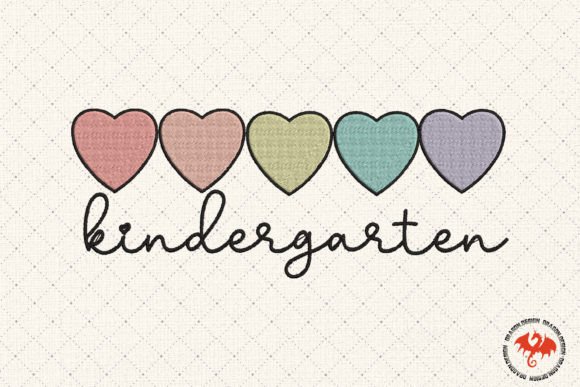
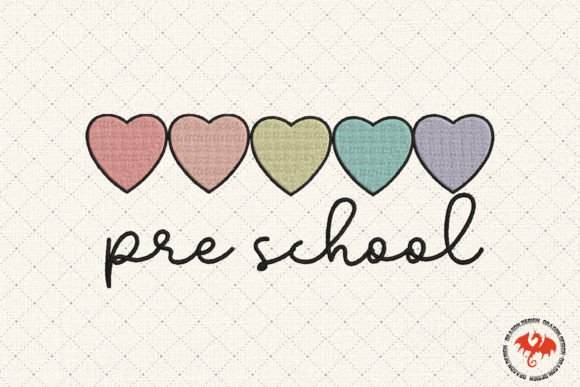
Upon loading the embroidery file, the immediate impression of Heart Pre School is one of nostalgic warmth balanced with clean, modern readability. In the crowded niche of back-to-school merchandise, many designs lean too heavily into chaotic cartoon aesthetics or overly complex shading that increases stitch count unnecessarily. This design, however, strikes a sophisticated balance. It feels sweet and playful without being juvenile, making it versatile enough for both toddler apparel and sentimental adult keepsakes. The charm lies in its clarity; the lines are distinct, suggesting that the digitizer understood how thread interacts with fabric texture rather than just drawing pixels. For a handmade product, this emotional connection is vital. Customers are not buying stitches; they are buying a feeling of preparation, love, and milestone celebration. Heart Pre School successfully evokes that specific "first day" sentiment while maintaining an elegant aesthetic suitable for home decor.
Real-World Application: From Nursery to Kitchen
To truly test the versatility of this design, I planned a series of mockups and physical samples targeting different customer avatars. The most obvious application is baby embroidery. I visualized this design centered on a pastel fleece blanket or embroidered onto the pocket of a denim pinafore. The design’s scale allows it to serve as a focal point without overwhelming small garments. However, its utility extends far beyond children's wear. I found that Heart Pre School translates beautifully into kitchen textiles. An embroidered towel featuring this motif becomes a perfect gift for a mother preparing school lunches or a teacher setting up a classroom snack station.
For the wedding and family keepsake market, consider using this design on a pillow cover intended for a reading nook or a memory quilt. While labeled "Pre School," the heart element universalizes the theme, allowing it to function as a general symbol of learning and affection. Tote bags are another strong contender; the design provides excellent visibility on canvas, making it ideal for library bags or craft fair products. For fellow Etsy sellers, this adaptability is key. You can list the same digital embroidery file across multiple categories—from nursery decor to teacher appreciation gifts—maximizing your return on investment.
Navigating Fabric Challenges and Technical Limits
Despite its versatility, no design is immune to the laws of physics. During my testing phase, I identified specific areas where caution is required. If you plan to use Heart Pre School on thick terry cloth for towels, you must account for pile push-through. The design likely requires a water-soluble topping to keep the stitches crisp; otherwise, the fine details may get lost in the fabric texture. Similarly, when working with stretchy baby clothes like onesies or knit cardigans, the stabilization strategy is non-negotiable. A cut-away stabilizer is essential to prevent distortion during washing. I strongly advise against placing this design near seams or collars where the hoop cannot maintain consistent tension.
Dark fabrics present another challenge. Before committing to a black or navy background, create a printable mockup or a physical test stitch to ensure the thread colors provide sufficient contrast. Pastel threads on dark fabric often require a white underlay base to pop, which adds density. Always verify the stitch density in your software before running a final product. If the design is too dense for lightweight lawn cotton, it will cause puckering; if it is too sparse for canvas, it will look cheap. Furthermore, always confirm the hoop size requirements against your machine’s capabilities and the usable area of your chosen blank. Never assume a 4x4 hoop will suffice without measuring the actual design dimensions in the file metadata.
Commercial Viability and Perceived Value
For those running a commercial embroidery business or selling finished goods, perceived value dictates pricing. Heart Pre School supports a higher price point because of its polished appearance. Clean registration and appropriate density signal professional quality to buyers. When photographing your finished product, ensure your lighting highlights the texture of the stitches. Flat, harsh lighting flattens the embroidery, whereas angled natural light showcases the dimensionality that makes handmade items special. This design photographs well because of its balanced composition, making it easier to create engaging social media content and listing thumbnails.
Trust is built through consistency. If you sell this as a custom item, communicate clearly about placement and sizing. Use the design’s inherent charm to tell a story in your product description. Instead of just listing specs, explain that this is a "heartfelt back-to-school tradition stitched with care." This narrative approach, combined with a technically sound execution, drives buyer engagement and repeat business. Always double-check your licensing terms before selling. Ensure you have the right to sell physical items made from this file versus selling the digital file itself, as these rights often differ.
Essential Pre-Production Checklist
Before adding Heart Pre School to your permanent catalog or fulfilling a rush order, adhere to this professional workflow:
- Test on Scrap Fabric: Never stitch directly on a customer’s expensive blank first. Use a scrap of identical weight and weave to check tension and registration.
- Verify Stabilizer Pairing: Match your stabilizer to the fabric, not just the design. Knits need cut-away; wovens may use tear-away; towels need topping.
- Check Thread Contrast: View your color palette against both light and dark backgrounds to ensure legibility and aesthetic appeal.
- Review Stitch Density: Adjust density settings based on your specific fabric choice to prevent bulletproof stiffness or gaping holes.
- Confirm Licensing: Read the designer’s terms of use explicitly regarding commercial sale of finished products versus digital redistribution.
- Create Mockups: Generate realistic previews for listings to reduce customer uncertainty and return rates.
- Wash Test: If selling baby items or towels, wash your sample to ensure the design holds up to frequent laundering without unraveling or distorting.
Ultimately, Heart Pre School represents a solid addition to any embroiderer’s library. It bridges the gap between seasonal novelty and timeless sentiment, offering ample opportunity for creative interpretation. By respecting the technical requirements of custom embroidery and leveraging the design’s emotional strengths, you can transform a simple digital file into a cherished, profitable product line. Whether you are creating a singular wedding gift or stocking a shop full of back-to-school essentials, this design delivers the professional results that discerning makers and happy customers expect.