One: A Minimalist Embroidery Design Review
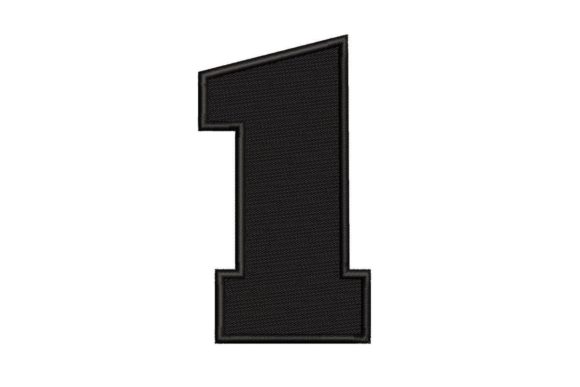
As an embroidery designer constantly curating collections for boutique apparel, I am always on the lookout for digital assets that balance simplicity with commercial viability. When browsing Creative Fabrica embroidery listings, it is easy to get lost in overly complex designs that are difficult to scale or adapt. However, finding a versatile staple is often more valuable than acquiring a hundred niche files. This brings me to One, a machine embroidery design that markets itself as simple but useful for marking anything needed as being the first. After reviewing its potential for sweatshirt embroidery and custom apparel lines, I see this as a strategic asset for Etsy sellers and small shop owners focusing on minimalist aesthetics.
Visual Personality and Stitching Mood
The first impression of One is defined by its clean utility. In an industry saturated with dense, ornate patterns, this design offers a breath of fresh air. It feels modern, intentional, and distinctly premium because of its restraint. For a boutique brand, this minimalism translates well across various demographics. It does not scream "craft project"; instead, it whispers "curated collection." The visual mood is adaptable. On a neutral cream sweatshirt, it reads as cozy and organic. On a dark charcoal hoodie, it can feel streetwear-adjacent and bold. On pastel t-shirts, it maintains a soft, feminine, or youthful energy suitable for Back To School transitions without looking juvenile.
This versatility is crucial for handmade product creators. You are not buying a single-use graphic; you are acquiring a foundational element for brand identity. Whether used as a size marker, a limited edition indicator (e.g., "No. One"), or a standalone typographic accent, the design carries enough decorative strength to stand alone without requiring additional embellishments.
Applications for Boutique Apparel Collections
When planning a new drop for an online shop, I evaluate how a digital embroidery file performs across different garment types. One excels in placement flexibility, which is vital for maximizing inventory value.
Sweatshirts and Hoodie Design
For oversized garments, chest placement is the gold standard. One works exceptionally well here because its simplicity prevents it from getting lost in the fabric texture of heavy fleece. It also serves as an excellent sleeve accent. Placing this design on the left forearm or near the cuff adds a high-end detail that justifies a higher price point for custom apparel. For back designs, consider using One as part of a larger layout or as a subtle nape-of-neck placement, which is currently trending in streetwear and boutique fashion.
T-Shirts and Lightweight Knits
T-shirt embroidery requires careful consideration of stitch density. Because One is described as simple, it likely avoids the heavy puckering issues associated with dense fills on lightweight jersey knits. This makes it ideal for summer collections or layering pieces. It can serve as a pocket replacement or a centered chest logo for a capsule wardrobe line.
Accessories and Lifestyle Merchandise
Beyond apparel, this design is perfect for tote bags and denim jackets. Denim provides a sturdy canvas where the stitching pops, especially if you use contrasting thread colors like white or gold against indigo. For lifestyle product photos and printable mockups, the clean lines of One photograph beautifully, ensuring your Etsy listings look professional and crisp even in thumbnail views.
Technical Considerations for Professional Results
While the aesthetic appeal is clear, technical execution determines whether a finished product looks homemade or professionally manufactured. As with any machine embroidery design, specific variables must be managed.
- Fabric Texture and Stability: Always test on scrap fabric that matches your production garment. Fleece and ribbed fabrics have significant stretch. Even a simple design like One can distort if the stabilizer choice is inadequate. Use a cut-away stabilizer for knit sweatshirts to maintain registration during wear and washing.
- Hoop Size and Tension: Confirm the hoop size requirements in the Creative Fabrica product details before purchasing. Using the smallest appropriate hoop reduces fabric movement. If placing One on a curved surface like a hood or sleeve, ensure proper hooping technique or use magnetic hoops to prevent flagging.
- Thread Color Contrast: Minimalist designs rely entirely on contrast for visibility. Tone-on-tone embroidery looks luxurious but requires perfect tension. High-contrast threads demand precise trimming. Review your thread colors against the specific garment shade under natural lighting before running production batches.
- Stretchy and Ribbed Areas: Be cautious when placing this design over seams or heavily ribbed cuffs. The needle penetration can cause permanent damage to the ribbing structure. Test on similar garment fabric first to ensure the stitch density does not compromise the integrity of the apparel.
Elevating Brand Value and Buyer Trust
In the competitive landscape of digital sellers and creative entrepreneurs, consistency builds trust. Using a cohesive design element like One across multiple products creates visual recognition. When customers see that signature mark on a hoodie, a tote, and a t-shirt, they begin to associate it with your boutique brand's quality standard.
Furthermore, professional presentation matters. A clean, well-executed embroidery file suggests attention to detail. Buyers are more likely to trust a shop where the embroidery looks intentional rather than cluttered. This design supports that narrative. It allows the quality of the garment and the precision of the stitching to take center stage, enhancing customer engagement through perceived value.
Designer Notes for Commercial Use
Before adding One to your commercial embroidery workflow, there are practical steps every experienced digitizer and embroiderer should take. First, verify the licensing terms on Creative Fabrica. Ensure the license covers the sale of finished physical products if that is your business model. Do not assume commercial rights are included without checking.
Second, inspect the stitch density in your embroidery software. Even simple designs can have hidden complexities. If the density is too high for your target fabric, consider editing the file to reduce stitches or adjust pull compensation. This proactive step saves time and materials.
Finally, utilize this design in your marketing strategy. Create social media graphics showing the embroidery process. Behind-the-scenes content of stitching out One on a new sweatshirt collection performs well because it demonstrates craftsmanship. Use printable mockups featuring the design to gauge audience interest before committing to full production runs.
Ultimately, One represents a smart investment for apparel decorators. It bridges the gap between functional marking and fashionable branding. By respecting the technical requirements of fabric texture and stabilizer choice, and by leveraging its minimalist aesthetic for strong visual identity, this machine embroidery design can become a cornerstone of your next successful apparel collection. Always prioritize testing and verification of product details to ensure your handmade product meets the high standards your customers expect.